
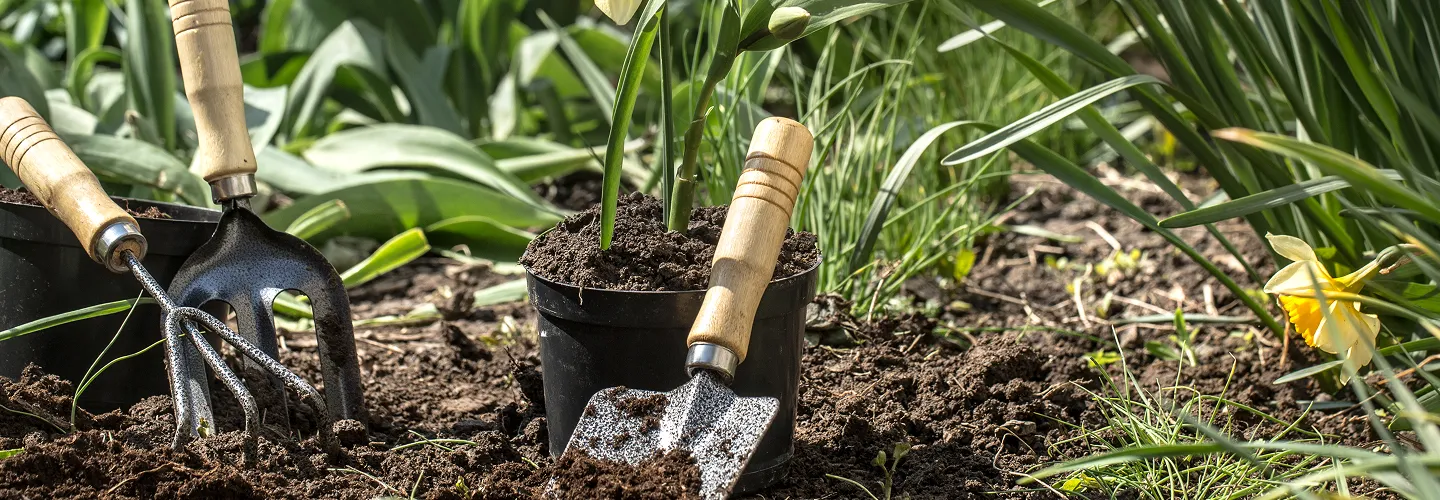
East Bernard Flower Bed Maintenance Services
Choose our Flower Bed Maintenance for expert care, vibrant blooms, and a weed-free landscape—ensuring your garden stays beautiful and thriving all year round.
Get a Free QuoteOur East Bernard Landscaping & Yard Care Services
When to Schedule Flower Bed Maintenance in East Bernard, Texas – Seasonal Guide
In East Bernard, Texas, the timing of flower bed maintenance is crucial for ensuring vibrant, healthy landscapes throughout the year. Thanks to our region’s humid subtropical climate, with hot summers and mild winters, the best periods for maintenance are typically early spring and late fall. These windows allow for optimal soil conditions and plant recovery, especially after the last frost date in late February or early March. Neighborhoods near the San Bernard River and around East Bernard High School often experience microclimates, so it’s important to adjust schedules based on local conditions.
Local environmental factors such as periodic drought risk, heavy clay soils, and varying shade coverage from mature oaks in areas like Riverside Park can all impact the timing and type of maintenance required. Homeowners should also be aware of municipal watering restrictions, which can affect when and how often beds are tended. For more information on local guidelines, visit the official town resource.
Local Factors to Consider for Flower Bed Maintenance in East Bernard
- Tree density and shade coverage, especially in established neighborhoods
- Soil type (clay, loam, or sandy soils)
- Average precipitation and drought risk
- Frost dates and seasonal temperature swings
- Terrain and drainage patterns
- Municipal watering restrictions and local ordinances
Benefits of Flower Bed Maintenance in East Bernard
Enhanced Curb Appeal
Weed and Pest Prevention
Healthier Plant Growth
Seasonal Color Management
Professional Landscaping Expertise
Time and Effort Savings
East Bernard Flower Bed Maintenance Types

Seasonal Flower Planting
-
Weed Control Services
-
Mulching and Soil Conditioning
-
Pruning and Deadheading
-
Fertilization Programs
-
Pest and Disease Management
-
Edging and Bed Redefining
Our Flower Bed Maintenance Process
Site Evaluation
Weed Removal
Soil Preparation
Plant Care
Mulching
Why Choose East Bernard Landscape Services
-
East Bernard Homeowners Trust Us
-
Comprehensive Lawn Maintenance
-
Reliable Scheduling
-
Competitive Pricing
-
Experienced Professional Team
-
Satisfaction Guarantee
-
Personalized Service Plans
Soil Series and Drainage Considerations for Flower Beds in East Bernard
East Bernard’s predominant soils, as identified by the USDA Web Soil Survey, include the Bernard clay and Edna loam series, both characterized by moderate to poor drainage and a tendency toward compaction. These soils typically exhibit a pH range of 6.0 to 7.5, requiring periodic testing and amendment for optimal plant health. For flower bed maintenance, it is recommended to incorporate 2-3 inches of compost tilled to a 6-inch depth to improve structure and drainage. Soil testing through Texas A&M AgriLife Extension is available for $15-25 per sample. Key practices include:
- Compost incorporation: 2-3 inches tilled to 6-inch depth
- Lime application for pH below 6.0
- Sulfur for pH above 7.5
- Avoiding heavy equipment on wet soils to prevent compaction
Equipment Operation Hours and Noise Ordinance Compliance in East Bernard
Flower bed maintenance activities in East Bernard are subject to local noise ordinances and equipment operation restrictions. According to typical municipal standards, powered equipment may be operated during the following hours:
- Monday-Friday: 7:00 AM - 7:00 PM
- Saturday: 8:00 AM - 6:00 PM
- Sunday and holidays: Prohibited All commercial operators must ensure equipment mufflers are functional and noise does not exceed 85 decibels at property lines. When working near public roads or parks, high-visibility vests and ANSI Z87.1 safety glasses are required. For questions regarding enforcement or to report violations, contact:
Harris County Pollution Control Water Services
101 S. Richey Street, Pasadena, TX 77506
Phone: (713) 920-2831
Official Website: Harris County Pollution Control Water Services
Native and Adaptive Plant Selection for East Bernard Flower Beds
Selecting appropriate plant species is essential for sustainable flower bed maintenance in East Bernard’s humid subtropical climate (USDA Hardiness Zone 9a). Native and adaptive perennials such as black-eyed Susan (Rudbeckia hirta), purple coneflower (Echinacea purpurea), and Gulf Coast penstemon (Penstemon tenuis) are recommended for their drought tolerance and resistance to local pests. For shaded areas, consider coral bells (Heuchera americana) and Turk’s cap (Malvaviscus arboreus). Spacing should be 12-18 inches for perennials and 8-12 inches for annuals to ensure airflow and reduce disease risk. Recommended species include:
- Full sun: Black-eyed Susan, coneflower, daylily
- Partial shade: Coral bells, Turk’s cap, hosta
- Deer resistant: Lavender, Russian sage, salvia
- Native options: Gulf Coast penstemon, cardinal flower, wild bergamot
Stormwater Compliance and Buffer Requirements for Flower Bed Maintenance
All flower bed maintenance in East Bernard must comply with Texas Water Code and Clean Water Act requirements to protect local waterways such as the San Bernard River. The Texas Commission on Environmental Quality (TCEQ) MS4 permit prohibits the discharge of soil, mulch, or plant debris into storm drains. Maintain a 25-foot no-disturbance buffer from wetlands and a 50-foot setback from open water bodies. Fertilizer and pesticide applications are restricted within these buffer zones. Compliance steps include:
- No fertilizer or pesticide within 50 feet of water bodies
- Maintain 25-foot buffer from wetlands
- Collect and dispose of all plant debris properly
- Use biodegradable mulch to reduce runoff risk
Texas Commission on Environmental Quality
12100 Park 35 Circle, Austin, TX 78753
Phone: (512) 239-1000
Official Website: Texas Commission on Environmental Quality
Municipal Collection and Disposal Procedures for Flower Bed Debris in East Bernard
Proper disposal of flower bed debris is regulated by local collection programs. In East Bernard, yard waste is typically collected every Thursday from April through November. Accepted materials include leaves, grass clippings, and brush under 4 feet in length. Residents must use biodegradable bags or reusable bins (32-gallon maximum); plastic bags and branches over 4 inches in diameter are prohibited. For large quantities, debris may be taken to the designated municipal drop-off site. Key procedures:
- Weekly pickup: Thursday, April-November
- Accepted: Leaves, grass, brush under 4 feet
- Containers: Biodegradable bags or 32-gallon bins
- Prohibited: Plastic bags, branches over 4 inches
Harris County Office of County Engineering
1111 Fannin Street, 11th Floor, Houston, TX 77002
Phone: (713) 274-3600
Official Website: Harris County Office of County Engineering
What Neighborhoods Do We Serve Throughout East Bernard, TX?
- Downtown East Bernard: Features mature landscaping and historic properties with compacted Bernard clay soils, requiring careful soil amendment and drainage management for flower beds.
- Riverside Estates: Located near the San Bernard River, this area has higher water tables and periodic flooding, necessitating strict buffer compliance and flood-tolerant plant selection.
- Bernard Oaks: Characterized by newer developments with moderate lot sizes and Edna loam soils, offering good drainage but requiring regular organic matter incorporation.
- Meadowbrook: Known for larger lots and proximity to conservation areas, with increased deer pressure and the need for deer-resistant plantings and wildlife-friendly maintenance practices.
- Westside Addition: Contains older homes with established trees, leading to heavy leaf litter and shade, which impacts species selection and debris management.
- Southgate: Features mixed residential and commercial properties, with infrastructure constraints such as narrow streets and limited equipment access, requiring careful scheduling and compliance with noise ordinances.